About Sri Durga Temple:
Sri Durga Temple Melbourne is a vibrant Hindu place of worship dedicated to Goddess Durga, a powerful symbol of strength, protection, and compassion in the Hindu tradition. Nestled in the growing western suburbs of Melbourne, the temple serves as an important spiritual and cultural hub for the local community.
Set within peaceful surroundings, the temple provides a space for prayer, reflection, and connection. Devotees gather regularly for worship (puja), devotional singing (bhajans), and community events that celebrate key festivals in the Hindu calendar, including Navratri, Dussehra, Holi, and other significant occasions. These celebrations bring together families and visitors of all ages, creating a strong sense of belonging and shared cultural identity.
Recognised as one of the largest Durga Mata temples in Australia, the temple welcomes people from all backgrounds to experience its spiritual atmosphere and rich traditions. Beyond its religious role, the temple plays an important part in fostering community connection, cultural continuity, and intergenerational learning.
Sri Durga Temple stands not only as a place of devotion, but also as a living expression of faith, resilience, and community life—bringing people together through shared values, celebration, and service.

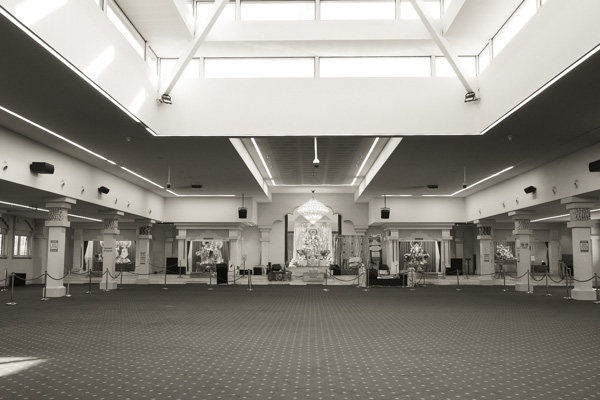
Sri Durga Temple (inside)
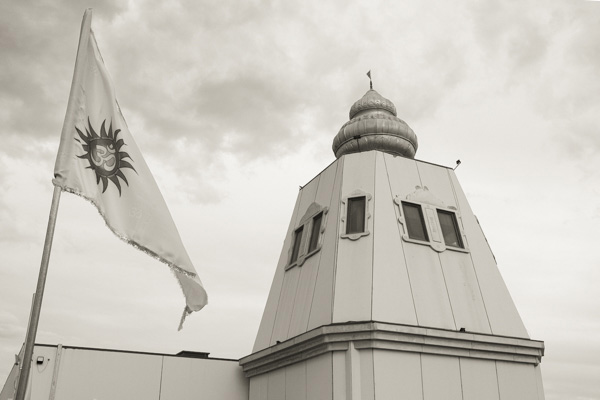
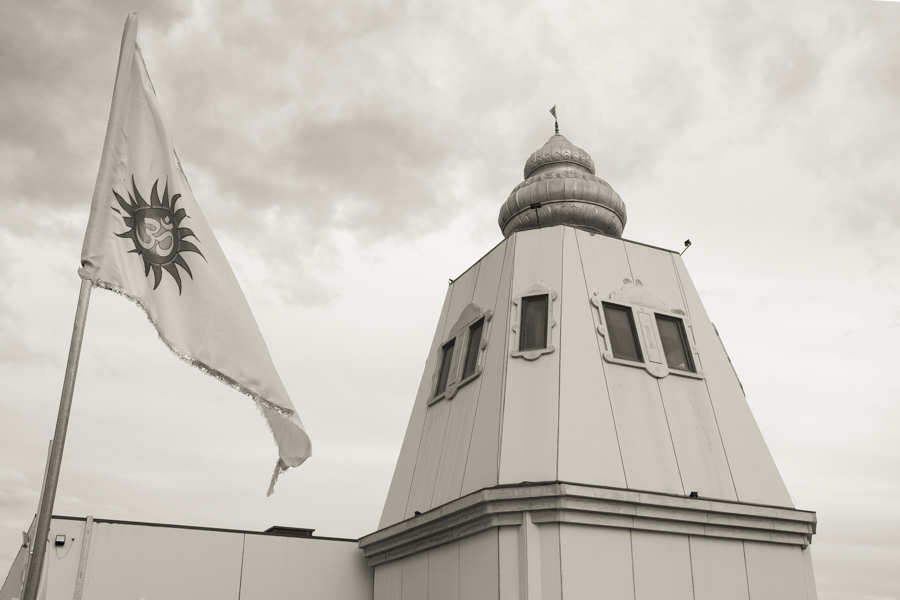
Sri Durga Temple (outside)
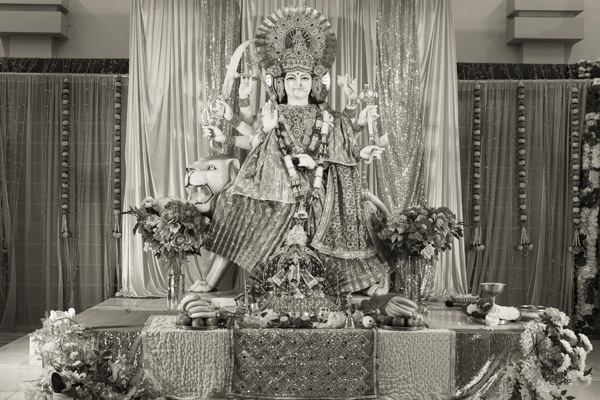
Sri Durga – Hindu deity representing the supreme divine female energy (Shakti), embodying motherhood, protection, and invincible power
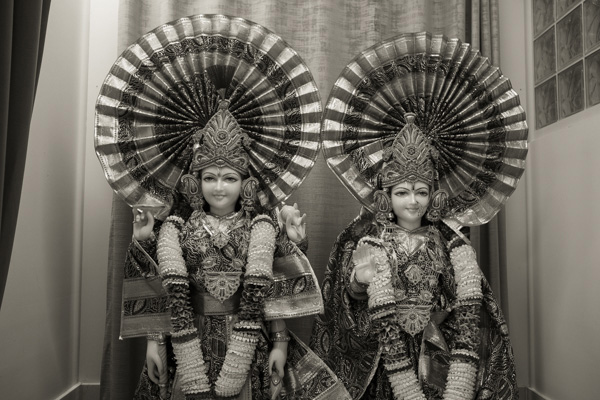
Sri Radha and Lord Krishna – Hindu deities representing divine love and devotion
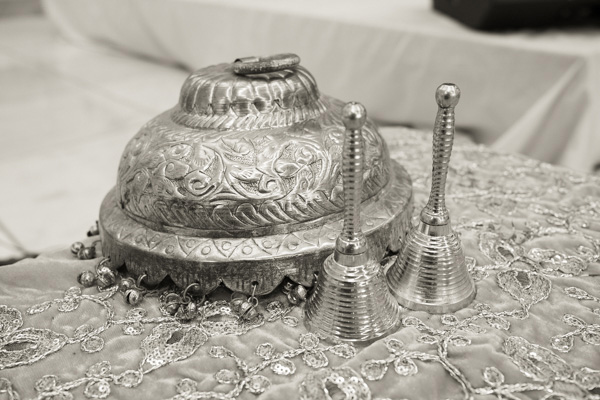
A decorative vessel (kalash) and hand bells (ghanta), used in worship to create a sacred atmosphere and invite divine presence
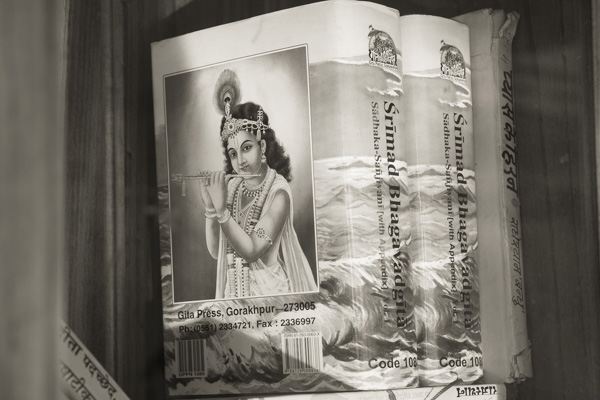
Bhagavad Gita – a sacred Hindu text guiding spiritual growth and life’s dilemmas
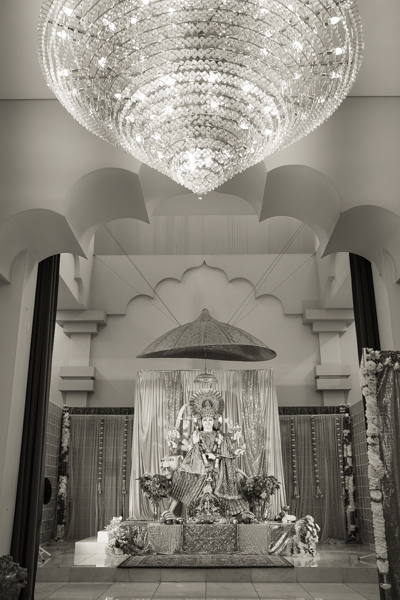
Sri Durga
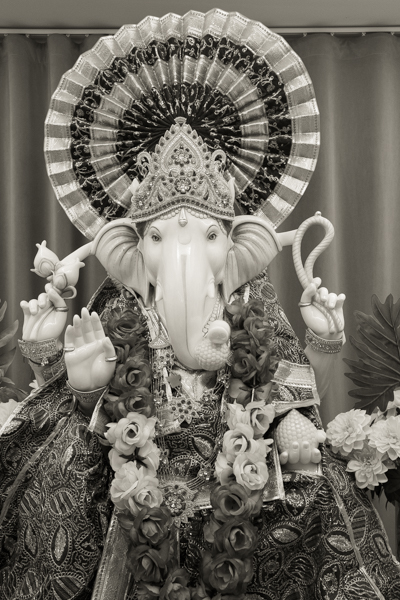
Lord Ganesha – the Hindu deity symbolising wisdom, new beginnings, and the removal of obstacles.
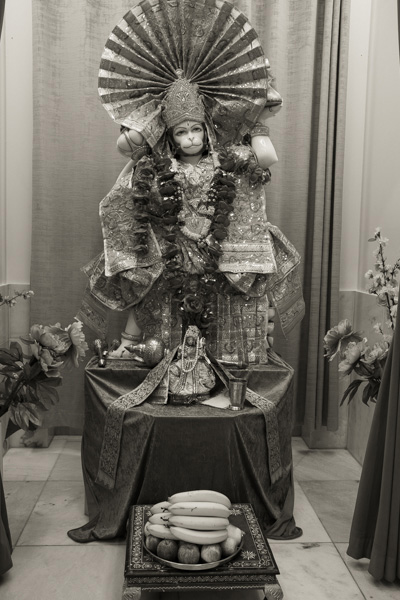
Lord Hanuman – the Hindu deity symbolising strength, devotion, and service
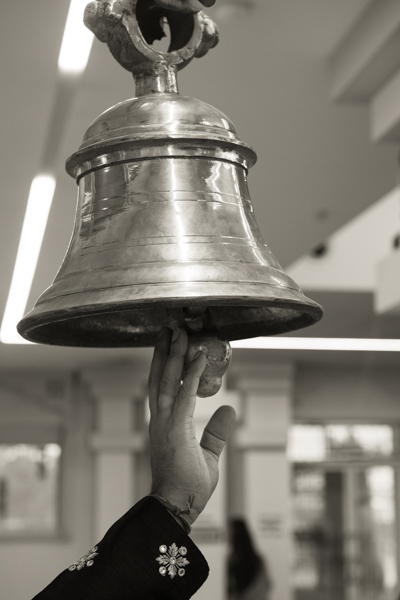
Sacred temple bell (Ghanta) rung by devotees to invoke the divine
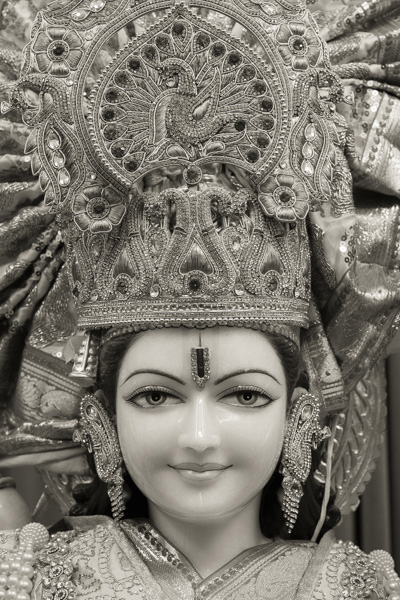
Sri Durga
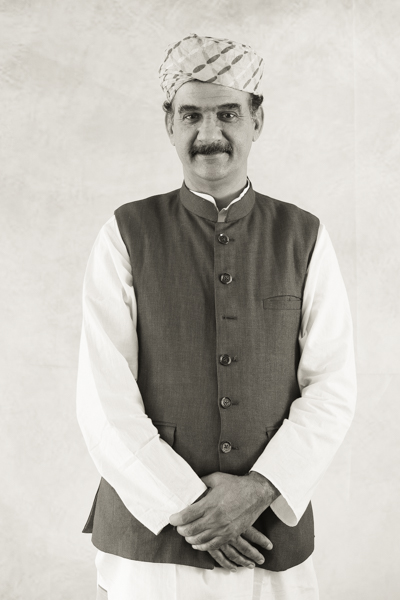
Priest Sikander Pal Sharma
History:
Sri Durga Temple Melbourne was established in 1994 by members of Melbourne’s growing Indian and Sri Lankan Hindu communities, particularly from Tamil backgrounds. With a shared vision to create a permanent place of worship and cultural gathering in Victoria’s west, the community came together to form the temple organisation and begin planning for its future.
Land was acquired in the mid-1990s in what is now Deanside (formerly Rockbank), and construction began soon after. By 1998, the first stage of the temple was completed, allowing regular worship and community gatherings to take place. From these early beginnings, the temple steadily grew alongside the local Hindu population, becoming an important spiritual and cultural anchor for families across Melbourne’s western suburbs.
Over the following years, the temple expanded to include additional facilities such as community halls and spaces for education and cultural activities. A major redevelopment between 2009 and 2015 led to the construction of the current large-scale temple complex, which officially opened in 2015. Built largely through community donations and volunteer effort, the temple stands as a powerful example of collective faith, dedication, and cultural continuity.
Today, Sri Durga Temple is recognised as one of the largest Durga temples in Australia, serving not only as a place of worship, but as a vibrant centre for cultural celebration, community connection, and intergenerational learning.
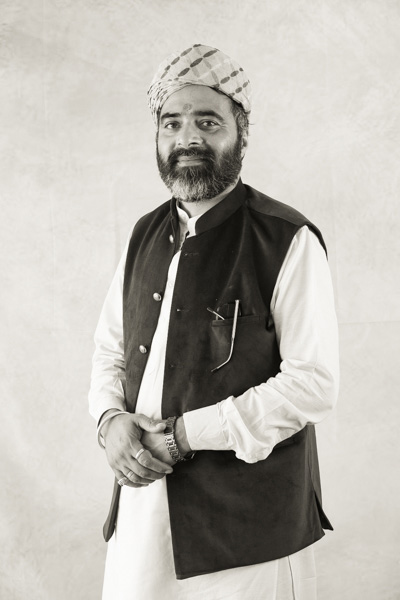
Faith Leader: Priest Praveen Kumar
Pandit Parveen Sharma is the highly respected Head Priest of Sri Durga Temple. He is an accomplished religious and cultural leader with deep roots in traditional Vedic traditions, including Vedic Karm Kand — the practice of sacred Hindu rituals, ceremonies, and sacraments — as well as Indian classical music.
He qualified in Vedic Karm Kand from Kurukshetra, one of India’s most historically significant centres of Vedic learning and scholarship. This training equipped him with expertise in conducting traditional rites, prayers, festivals, and life-cycle ceremonies according to the ancient Vedic scriptures of Hinduism.
Pandit Sharma also holds a Sangeet Prabhakar qualification — an advanced degree in Indian classical music — from University of Allahabad, one of India’s oldest and most prestigious universities. His formal musical training enables him to incorporate bhajan (devotional songs), kirtan (communal chanting), and melodic sacred music into religious services and community celebrations, creating a spiritually uplifting atmosphere for worshipers.
